
Home cleaning ·
What to Tell a Cleaner Before the First Visit
A practical first-visit checklist for agreeing the work, access, supplies and priorities with a home cleaner before they arrive.
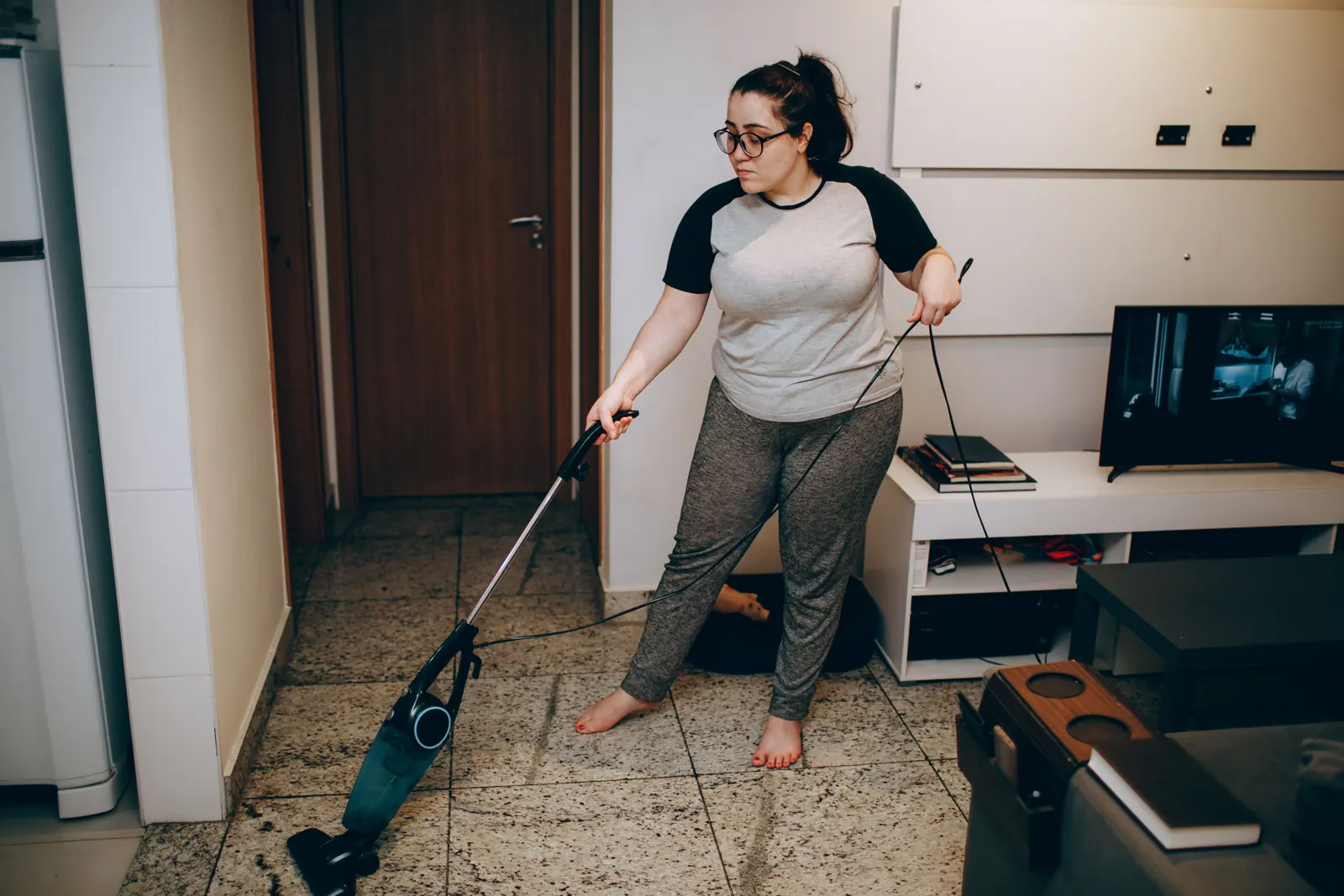
Start with the work you actually want done
A cleaner cannot infer from a booking length whether you mean a regular tidy-up of the kitchen and bathroom, an oven clean, a full first deep clean, or help getting a home ready for visitors. Name the rooms and jobs that matter. If the home has not been cleaned professionally before, say so. The first visit is a chance to establish a realistic routine, not a test of whether every room can be finished at once.
Before agreeing a time or price, ask what the service includes and what would be an extra job. Inside cupboards, windows, an oven or a fridge are not automatically part of every clean. Ask who will bring the products and equipment, whether the appointment is for one cleaner or a team, and how long they expect the agreed work to take. Top Cleaners' first-visit guide is a useful operator perspective on agreeing goals and supplies at the outset.
If you have a fixed number of hours, choose your top two or three priorities and make the rest conditional on time. For example: kitchen worktops and sink first, bathroom second, then floors if there is time. Get Set Clean's first-visit explanation also treats a short priority list as more useful than assuming a standard result for every home.
- Which rooms are included, and which are private or out of bounds?
- Is this a regular clean, a first deep clean, or a specific one-off task?
- What is included in the quote, and what would cost more?
Agree how the cleaner will get in and leave
Do not wait until the morning of the appointment to work out access. If you will be there, say which entrance to use and whether there is a doorbell or intercom. If you will be away, agree the method directly with the cleaner or business: for example a key safe, concierge or another arrangement they accept. Share any parking, building-entry or lift detail that could make arrival awkward. Avoid putting a key code or alarm detail in a public request.
Mention who else will be home. A dog that barks at unfamiliar visitors, a cat that must stay inside, a child having a nap or a room used for work can change the order of the visit. Glimmr's preparation guide recommends warning cleaners about pets, unfamiliar appliances and unusual features of the property. If a door sticks or an appliance needs a particular sequence, a short explanation is more useful than leaving the cleaner to discover it under time pressure.
For the first visit, being available for a quick handover can help, but it does not mean you must stay and supervise the clean. Decide how you would like the cleaner to confirm that they have finished and secured the property.
Say what is available and what needs care
Ask whether the cleaner brings their own vacuum, cloths and products or expects yours to be available. If you are providing them, point out where they are and whether anything is running low. Cleaners of London's preparation advice makes the practical point that clear access to supplies and the areas being cleaned helps the booked time go further. You do not need to clean before a cleaner comes, but moving paperwork, toys or laundry off a surface can make that surface available for the job you are paying for.
Flag a delicate surface, damaged fitting or product preference before someone starts. Examples include an unsealed worktop, a loose tap, a rug that cannot take a particular treatment, or a fragrance sensitivity. Do not assume a cleaner will identify every exception by sight. Equally, do not prescribe a chemical combination: let the professional decide whether a product is suitable, and ask them if you are unsure.
Put private documents and valuables somewhere sensible before the visit. This is ordinary preparation, not an accusation. It also prevents the cleaner having to decide whether an item can be moved.
Send one useful message before the appointment
You do not need a lengthy instruction manual. A message that groups the essentials is easier to act on than several scattered notes. Keep sensitive entry details in the agreed private channel, not in a publicly visible service request. If you are looking for a cleaner on LocalPickr, use the request to describe the work and the area first; agree private access details with the professional once you are in contact.
Here is a simple example to adapt, not a script every cleaner must follow: “It is a two-bedroom flat. Please focus on the kitchen and bathroom first, then vacuum the living room if time allows. I will be home to let you in. We have a cat, and the spare room is not part of the clean. Could you confirm whether you bring products and whether oven cleaning is included?” This gives the cleaner a workable order, a boundary and two questions to settle before arrival.
If the answer changes the scope or price, confirm the revised plan in writing before the visit. A clear message protects both sides from the familiar “I thought that was included” conversation afterwards.
Check payment and change terms while booking
Ask when payment is due, what methods the professional accepts and whether there is a deposit. Check how to move or cancel a visit, especially when your schedule is uncertain. The exact terms depend on how you booked and the agreement you made; do not assume every cleaner uses the same policy. Keep a copy of the booking and any agreed changes.
For consumer rights in England, Citizens Advice explains cancellation of a service arranged online or by phone, including examples involving cleaners and gardeners and exceptions when work starts during a cooling-off period. That guidance is more reliable than a blanket claim that every booking can always be cancelled for free. If you live elsewhere in the UK, use the relevant country guidance linked from that page.
Use the first visit to set a better routine
Afterwards, compare the result with the priorities you agreed rather than a vague idea of what a cleaner should have done. Were the most important rooms covered? Was the booked time enough? Was a task outside the service after all? If something needs changing, say it plainly and promptly, with a specific example. That gives the professional a chance to clarify or adjust next time.
A useful first visit should leave you with a clearer plan for the next one: which rooms need regular attention, which tasks can rotate, who provides supplies, and whether the appointment length needs changing. You do not have to have all those answers before the cleaner arrives. You only need enough shared information for the first visit to start well.