
Gardening ·
Booking a gardener to plant a hedge: decide the job before the plants arrive
A new hedge is a planting project, not a quick trim. Work out the line, plants, quote and first year care before you book a gardener.
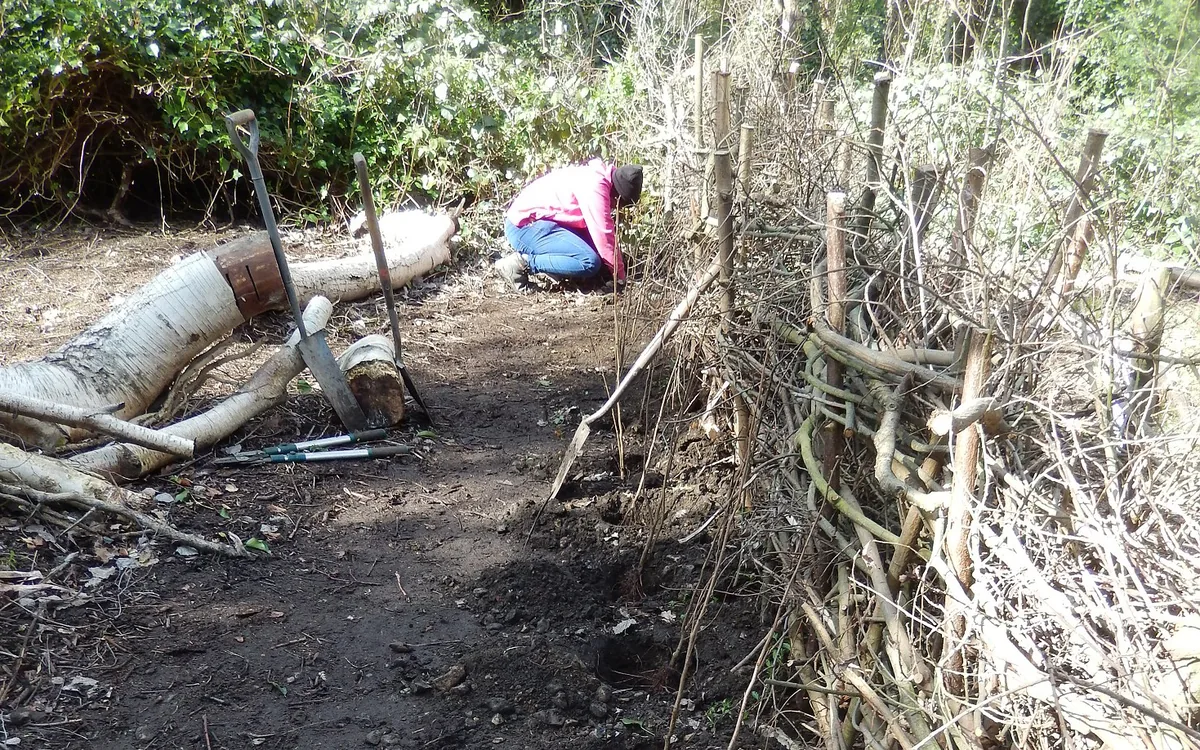

Decide what the hedge must do
A hedge for privacy, a low edge beside a path and a wildlife friendly boundary are different jobs. Before asking for a quote, measure the length of the proposed line and take photographs from both ends. Note gates, drains, existing roots, nearby paths and where you will still need to walk or maintain the plants. Give the gardener the result you want, including the height and width you can realistically allow once the hedge has grown.
A mature hedge takes space on both sides of its planting line. The RHS planting guide suggests setting a boundary hedge back from the edge so it can fill out without immediately overhanging a pavement or neighbour. The Woodland Trust's hedge guide also recommends discussing a neighbouring boundary before planting. Ask the gardener to mark the intended line on site, rather than assuming the fence itself is the planting line.
Choose plants for the place, not a photo of a finished hedge
Tell the gardener whether the spot is sunny or shaded, exposed to wind, dry in summer or slow to drain after rain. Ask which species fit those conditions and the eventual size you can manage. The RHS guide to choosing hedging plants compares options by purpose and growing conditions. A mixed native hedge may suit a wildlife goal, while a formal screen may call for a different species and maintenance plan. Do not assume any one plant will deliver privacy immediately.
Settle whether the quote covers small bare root whips, larger container grown plants or another supplied size. Whips can look like twigs on planting day; the Woodland Trust describes them as bare rooted young plants, often 20 to 90cm tall. Larger plants can make a stronger first impression but need more careful planting and watering, according to the RHS. Ask for the species, plant size, quantity and intended spacing in writing so two quotes describe the same future hedge.
Time the delivery and groundwork together
For many deciduous bare root hedges, the planting window begins after leaf fall and runs through winter. That makes November a sensible time to plan, but not a promise that every day is workable. The RHS advises delaying planting if the soil is frozen or waterlogged. Evergreen timing and the right planting method may differ, so agree the proposed species before fixing a date. Ask who will order the plants and what happens if weather or delivery moves the job.
Bare roots must not sit exposed while schedules change. Gardeners' World advises keeping them damp and temporarily covering them with soil if they cannot be planted promptly. Agree who will receive the delivery, where the plants can be kept safely and whether the gardener will prepare the strip before they arrive. A quote that only says 'plant hedge' may omit lifting turf, removing persistent weeds, improving difficult ground or clearing the resulting waste.
Read the quote as a sequence of work
Ask for a sequence you can picture: mark the line, prepare the soil, supply or receive the plants, set out the spacing, plant, water, mulch and leave the area tidy. The RHS planting instructions explain why soil preparation, correct planting depth and mulch matter. For a wildlife hedge, the HedgeLink planting guide makes the useful point that a good hedge is more than a row of shrubs; the space beside it affects what can grow there too. Ask whether that margin is part of the job.
Confirm whether the price includes the plants, delivery, soil preparation, mulch, guards if actually needed and removal of packaging or excavated material. If the gardener recommends a double row, ask how much width it needs and whether it changes the plant count. Spacing varies with species and design; do not compare a single row quote with a double row quote on total price alone. If access is narrow or the planting strip is full of old roots, show that in the initial photographs so the quote is based on the actual site.
Agree what happens after planting day
A planted hedge is not an established hedge. Ask the gardener to show you the finished line, identify the plants and explain which ones may need protection from animals or accidental damage. Keep the species list and any care instructions. If something looks missing or is planted in the wrong place, raise it while the line is still easy to adjust. Do not treat a particular survival rate or a free replacement as included unless it appears in the agreed terms.
Plan for watering and competing growth before the gardener leaves. The RHS recommends watering new hedges during dry spells and keeping the planting area free from weeds while plants establish. HedgeLink's early care guidance notes that some plant loss can happen and substantial gaps may need filling later. Ask who will check the hedge after its first growing season, what signs you should photograph and whether any follow up visit is a separate booking.