
Home cleaning ·
Booking a professional oven clean: what to agree
An oven clean is easier to compare when the quote names the appliance, removable parts, door glass and extras. Prepare the kitchen and check the finish.
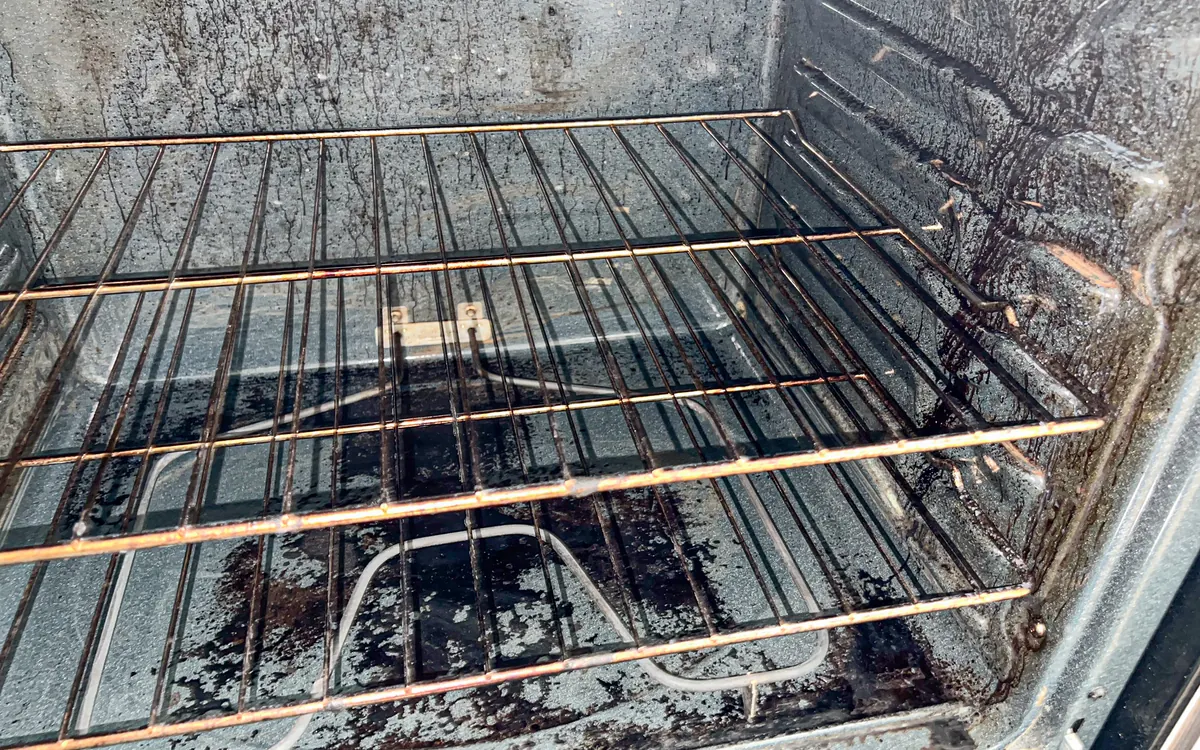

Describe the oven before asking for a quote
An oven clean is not one uniform job. Tell the cleaner whether you have a single oven, double oven, range cooker or another appliance. Add the make and model if you can find them, plus photos of the cavity, door and any heavily soiled areas. Say whether there is a separate grill, and whether the appliance has self cleaning liners or a pyrolytic programme. Those details matter more to a useful quote than simply saying that the oven is dirty.
Make a short list of what you want cleaned: cavity, racks, trays, shelf supports, door glass and the exterior. Do not assume every loose baking tray in the kitchen is included. One oven cleaning provider's published breakdown separates the oven from hobs, extractors and microwaves. That is an example of one service, not a universal package. Ask each cleaner to name the parts and additional appliances included in their own price.
If you are comparing a routine cleaner with an oven cleaning specialist, ask directly whether they do deep oven work and what they can remove or refit. A general kitchen clean and a visit involving racks, door glass and baked on deposits are different scopes. Which? notes that a professional deep clean can be booked separately. It is better to establish the service first than to discover on arrival that the cleaner expected only to wipe accessible surfaces.
Let the model guide what can be cleaned
Find the instruction manual or the model label before the appointment. Ovens vary in how their racks, liners, door panels and control parts should be treated. Beko's cleaning guidance, for example, distinguishes removable side racks from catalytic walls. Its advice is for its own appliances. Your model's manual, rather than a generic internet tip, should settle which surfaces and parts can be cleaned with a particular product.
Do not promise that the cleaner can dismantle the door or reach between panes. Some designs allow it and others need a different procedure. NEFF tells owners to consult the manual before removing door glass, and notes that its Slide&Hide doors differ from the general instructions. Ask whether the cleaner is willing and equipped to clean between panes on your exact model. If not, agree that the visible glass is the scope.
Mention a loose hinge, damaged seal, cracked glass, broken lamp or a fault before the quote is accepted. Cleaning does not automatically include a repair. If the appliance has a self cleaning setting, tell the cleaner rather than running it just before they arrive. Bosch's pyrolytic guidance describes a very hot cleaning cycle and says to remove the contents first. A cool appliance is the sensible starting point for a manual visit.
Compare the work, not just the number
Ask for a written price that identifies the appliance and the agreed parts. Check whether it includes the racks and trays, glass between panes if possible, the hob or extractor if requested, travel or parking charges, and any minimum call out charge. If a provider needs to inspect the oven before confirming a price, establish what happens if the final scope changes. Do not rely on a headline price for a single oven when your cooker has two cavities or you want several extras.
Find out what the visit needs from your home. Does the cleaner bring their own products and protective sheets? Will they need access to hot water, electricity or a place to clean removable parts? Will anything be taken outside to a vehicle? Methods vary by provider. The oven cleaning process described by Oven Rescue uses a dip tank in a van for removable pieces, but you should not assume another cleaner works the same way.
Ask for an estimated appointment window rather than treating a published duration as a guarantee. Size, condition and access affect the time. Settle payment timing and what happens if the cleaner finds damage or a part that should not be removed. A quote that clearly excludes an uncertain task is more useful than one that quietly promises a perfect result everywhere.
Prepare a cool oven and a clear working area
Do not use the oven shortly before the appointment. Let it cool completely, remove food and personal cookware, and clear the floor and nearby worktop so the cleaner can work without moving your belongings. Leave standard racks and oven trays available unless the provider has asked you to take them out. Keep children and pets away from the working area. If there is a tight doorway, limited parking or a shared entrance, mention it when booking.
Avoid spraying a product into the oven immediately beforehand. The cleaner needs to know what is already on the surfaces, especially if you have used a strong product recently. Which? advises following oven cleaner instructions closely, including protective equipment and ventilation. Tell the cleaner about any product you have applied and make the manual available. Do not remove fixed panels, disconnect a gas supply or try to pull out a fitted oven for the appointment.
Point out the areas you care about when the cleaner arrives: perhaps a stained door, a difficult lower shelf or a tray you thought was included. Confirm any material that must not be treated. If the cleaner says a particular mark cannot be removed without risking the surface, talk it through before work begins rather than judging the result against an unspoken expectation.
Check the result before the cleaner leaves
When the work is done, check the agreed cavities, racks, trays and glass while the cleaner is still there. Are removable parts back in place and the surrounding work area tidy? Ask whether the oven can be used immediately, whether any residue needs a further wipe, and whether the provider recommends ventilation or another step under the products they used. Follow your appliance manual if it gives instructions for your model.
An old stain, damaged enamel or a mark between inaccessible glass panes may remain even after careful cleaning. Compare the result with the agreed scope, not an imagined brand new finish. Raise a missed area calmly during the visit and record any existing fault you flagged. Afterwards, small, regular wipes once the oven is cool can help stop the grease building up again.
If you are looking for a cleaner on LocalPickr, include the appliance type, model, photos and exact parts you want cleaned in your request. Confirm directly with the professional that they offer oven cleaning at your address. The useful first question is not simply ‘How much?’, but ‘What will that price cover on this oven?’