
Hair and beauty ·
Mobile hair colour at home: what to agree first
Before booking a mobile hair colour visit, settle the consultation, allergy test, scope, price and washing setup. Here is what to ask and why it matters.
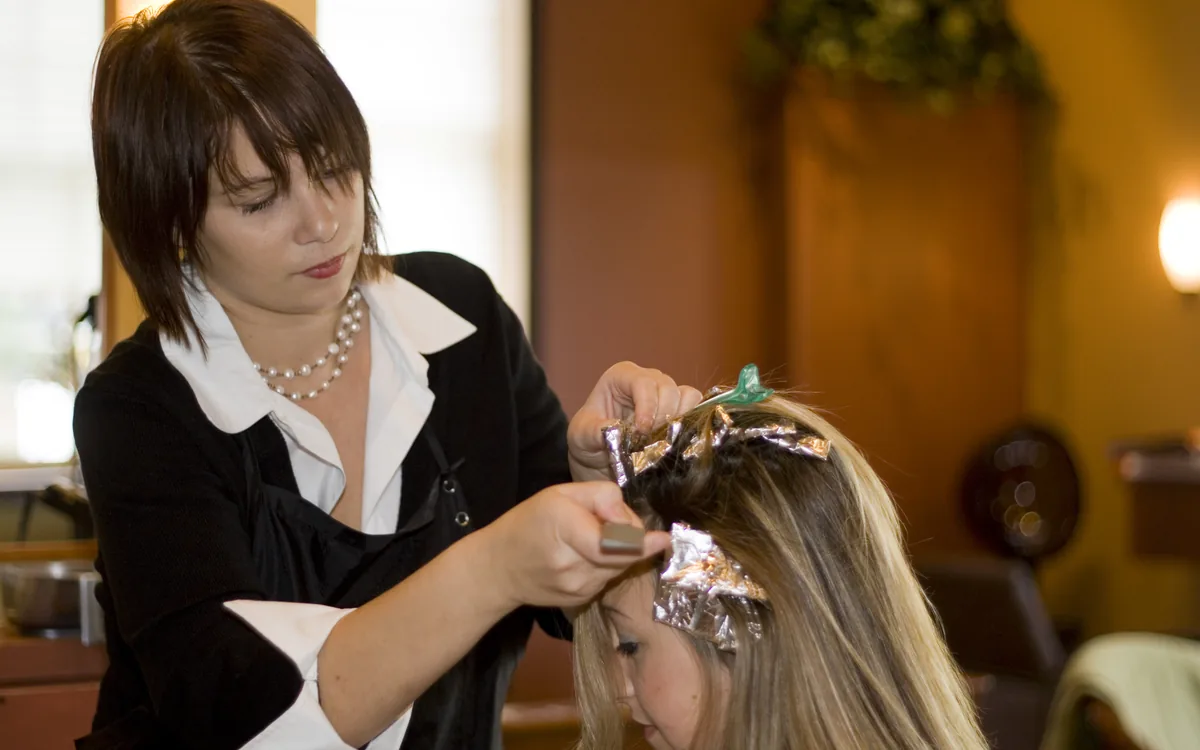

Start with the result, not just the word colour
A request for 'a colour' could mean covering roots, refreshing an existing shade, adding highlights, lightening previously dyed hair or correcting a colour you dislike. Those jobs need different time, products and sometimes a different level of preparation. Tell the hairdresser what your hair looks like now and what you want it to look like afterwards. Two photographs taken in ordinary daylight can help: one of your current hair, and one or two examples of the result you mean. An inspiration picture is a conversation starter, not a promise that the same result is possible in one visit.
Mention any previous dye, bleach, henna or colour-removing products, including work you did yourself. Do not guess that the stylist can see the full history by looking at your roots. Ask whether they need to see your hair in person before giving a firm plan. A mobile stylist's first-visit guide suggests having reference photos ready, but its equipment list describes that particular stylist's service, not every home hairdresser's.
Leave room for a consultation and an allergy alert test
A colour booking may not be a single visit. Ask how the hairdresser handles the consultation and whether an allergy alert test is needed before the appointment. The National Hair and Beauty Federation's guidance says new colour clients should be tested at least 48 hours before their appointment under its protocol, and that a consultation should precede chemical services. The Hair and Barber Council describes several professional testing routes, including manufacturer instructions and professional protocols. The correct process depends on the products used, the professional's protocol and insurance, not a blanket promise made in an online listing.
Tell the hairdresser before booking if you have reacted to hair colour, had a black henna tattoo, or have a sensitive or damaged scalp. Do not conduct a home test with dye decanted and posted to you just because it seems convenient: the Hair and Barber Council explicitly advises against that practice. Wella's product guidance also notes that a previous uneventful colour does not remove the possibility of a later reaction. Let the professional explain their procedure and do not press them to skip a test to meet a last-minute event date.
Ask for a price for the whole appointment
A headline price can be hard to compare if one person means roots only and another means colour, toner, cut and finish. Ask for the proposed service in plain language: what area will be coloured, whether lightening or toner is included, whether there will be a wash, and what the hair will look like when the stylist leaves. Ask what would make the price change after the consultation. If a first visit may only be a consultation or test, find out whether it has a separate fee and whether that fee is credited against the colour appointment.
Confirm travel charges, parking, minimum spend, deposit, payment method and likely appointment length. These vary by provider and location, so a quoted number is more useful than a generic online price list. If the stylist says the desired colour needs more than one session, ask for a separate estimate for each stage rather than assuming the first quote covers the final look. Put the agreed scope and price basis in a message so that a change on the day can be discussed before products are mixed.
Work out the washing and working space
Colour needs a practical place to work and a plan for rinsing. Ask whether the hairdresser brings a portable basin, cape, towels, products and floor protection, and what they need from you. One home-visit stylist describes bringing a portable basin, but that is a service-specific example, not a LocalPickr standard. Check that there is a suitable chair, adequate light, a nearby plug socket and access to the agreed sink or water supply. If your bathroom or kitchen layout is awkward, send a brief description before the day rather than improvising with wet colour in your hair.
Keep the working area clear enough for tools and movement. Say if there are stairs, restricted parking, pets that need to be kept apart or a person whose mobility affects where the appointment can happen. You do not have to buy salon equipment. The useful preparation is agreeing who provides what and whether the stylist can complete the service safely in the space you have.
Allow enough time, especially before an event
If you need the result for a wedding, photograph or other fixed date, say so at the enquiry stage. A consultation, test and possible follow-up colour visit may need separate slots. Avoid planning the first-ever colour appointment for the morning of the event: even a well-described goal may change after the stylist sees your hair. Ask when the appointment should start, roughly how long each stage is expected to take and whether a cut or blow-dry is part of the booking.
Check the cancellation and rescheduling terms before paying a deposit. The rules depend on how the contract was made and when work starts. Citizens Advice explains cancellation rights for services arranged online or by phone, including the effect of asking for work during a cooling-off period. Do not assume every short-notice cancellation is free, or that every deposit can be kept. Ask the provider for their terms and keep the agreement.
Send one clear enquiry
A useful first message could be: 'I am in [postcode]. My hair is currently [length, shade and recent colour history]. I would like [specific result] and can send photos. Do you offer that colour service at home? How do you arrange the consultation and any allergy alert test? Could you quote for the colour, wash and finish, including travel, and tell me what space or equipment you need?' It is enough to start a specific conversation without pretending that a photograph alone can settle the final plan.
If you request a mobile hairdresser through LocalPickr, describe the service and your area first. Once in direct contact, agree the testing procedure, price and private access details with the person who will do the work. This keeps the public request useful while leaving the technical decisions to the professional who knows their products and can assess your hair.