
Foot care ·
Nail care or podiatry at home: which visit do you need?
A simple nail trim and a podiatry assessment are different bookings. Work out what to ask for, check credentials and agree the home-visit details before you book.
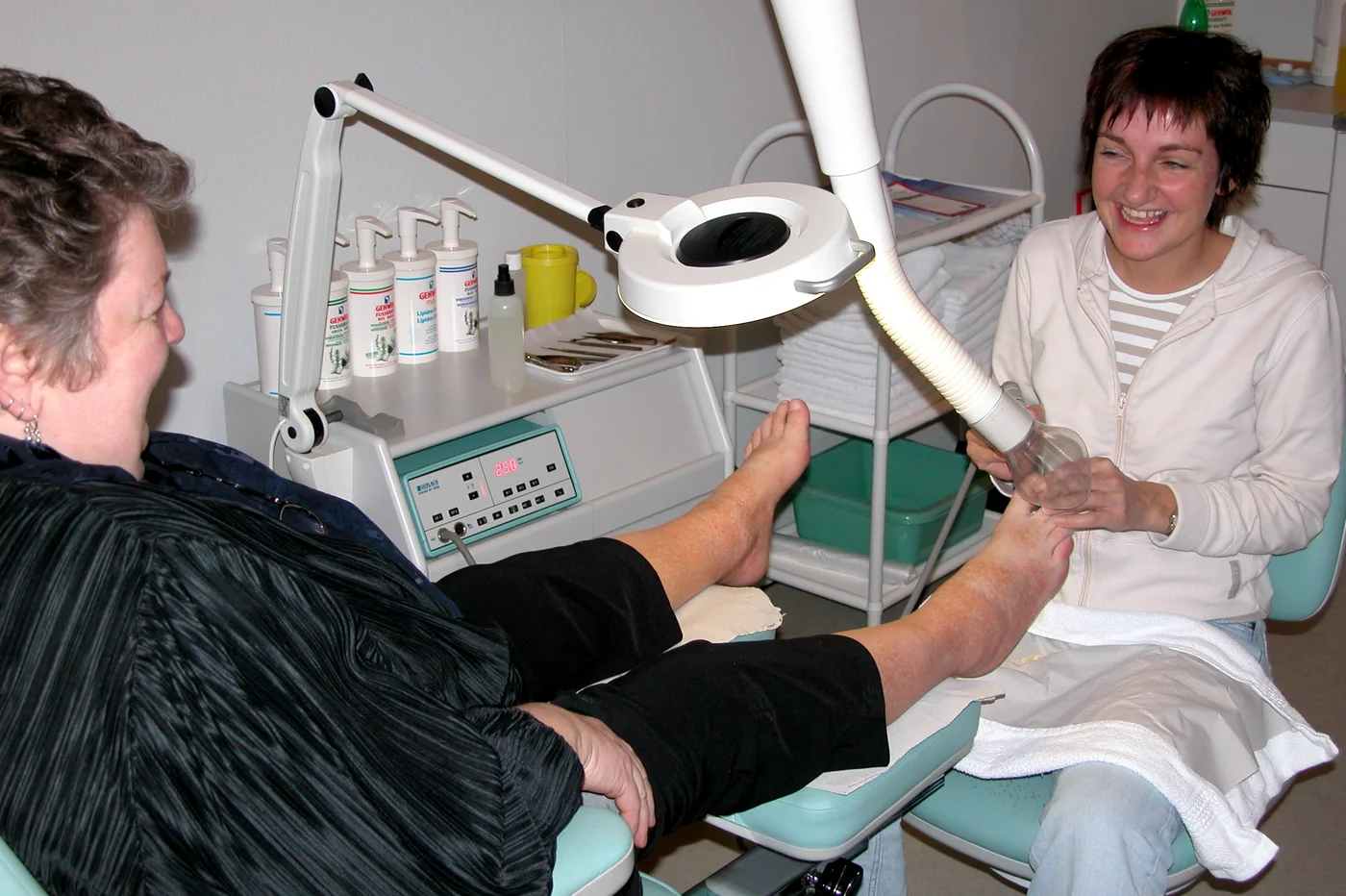

Describe the job before choosing a title
Start with what needs doing, rather than searching only for 'foot care'. If the problem is that you cannot comfortably reach or cut your toenails, you may be looking for a basic nail-care visit. If there is pain, an ingrown nail, a corn, a wound or a change you do not understand, ask for an assessment by a suitably qualified professional instead. Do not decide from a photograph that a painful foot only needs a trim.
The distinction is practical, not a ranking of people. Age UK Northamptonshire's home nail-care service says its staff cut or file nails but do not treat ingrown toenails, corns, calluses or infections. That is one service's scope, not a rule for every provider. Ask the person you are considering exactly what they can assess and do on a home visit.
Check what a podiatrist or chiropodist means
In the UK, 'podiatrist' and 'chiropodist' are protected professional titles. The Health and Care Professions Council lists both titles and describes the profession as diagnosing and treating foot disorders, diseases and deformities. If someone uses either title, ask for their HCPC registration number and check the person, profession and current status on the official register. The HCPC explains how to search by number or by surname and profession. A matching name alone can be ambiguous, so check the details rather than assuming the first result is your visitor.
Other foot-care workers may use different titles and offer a narrower service. The Leicestershire Partnership NHS Trust's foot-care advice explicitly distinguishes other foot-care professionals from people legally entitled to call themselves podiatrists or chiropodists. Do not assume a foot-health or nail-care title is an HCPC qualification, or that every nail-care visitor offers diagnosis. Ask what training and insurance apply to the work you need, and what they would do if the concern is outside their scope.
Confirm that the work can actually be done at home
A provider may offer home visits for some appointments but require a clinic for others. Tell them what is happening with the foot, whether this is a first visit, and whether you need a step-free room, help moving to a suitable chair or a particular appointment time. Ask what equipment they bring and whether they need good light, a plug socket, a sink or somewhere to set out clean instruments. They can tell you which details matter for their own procedure; do not buy equipment in advance unless they request it.
Do not assume an NHS podiatry home visit follows the same rules as a private one. For example, Leicestershire Partnership NHS Trust says its NHS service is normally clinic-based and limits home visits to people who are bedbound or hoisted. Its criteria are local, not a national rule. Check the route and eligibility with your own local NHS service if you hope to use it, and ask a private provider separately about their home-visit area.
Share relevant health details privately
When you contact the professional, mention diabetes, reduced sensation, circulation problems, a previous foot ulcer, an open wound or a recent injury if relevant. These details help them decide whether they can accept the booking and what kind of assessment is appropriate. You do not need to publish a medical history in an open request. Share it directly with the person who would provide the service, using a private channel.
If the foot has sudden severe pain, rapidly changing swelling, signs of infection or an open wound that worries you, do not wait for a routine nail-care slot. The NHS trust's podiatry page directs people with urgent foot problems to NHS 111, urgent care or emergency services as appropriate. This guide cannot assess symptoms or replace clinical advice.
Get a quote for the actual visit
Ask whether the first appointment is an assessment, a treatment, or both. Check its length and whether the price includes travel, parking, supplies and any follow-up. If the visitor finds the work cannot safely be completed at home, ask in advance how that affects the fee and what referral or next step they would suggest. Keep the agreed scope in a message so that 'nail care' does not mean one thing to you and another to the provider.
A local service's published charge is not a market price. Age UK Northamptonshire lists a home-visit charge and separate equipment options within its own catchment area. That example shows why it is worth asking what is included, not what everyone should charge. Check the provider's cancellation terms before paying a deposit. Citizens Advice explains the rules for services arranged remotely, including the effect of asking for work during a cooling-off period.
Send a useful first enquiry
You could write: 'I need help with [routine nail cutting / a specific foot concern] at home in [postcode]. The person has [any relevant access needs]. Do you offer this kind of visit, and is an assessment needed first? What are your qualifications or registration details, what is included in the price, and what would make a clinic or another service more suitable?' Add private health details directly if the professional asks for them.
If you request foot care through LocalPickr, describe the service and location clearly, then verify the individual's credentials and agree the clinical scope with them before booking. A listing or request is a way to start a conversation, not a substitute for checking the person who will visit.